 Click to enlarge
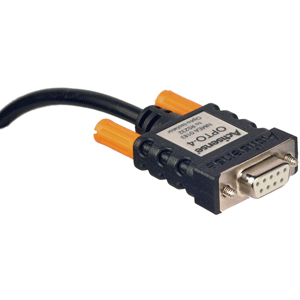
Actisense NMEA 0183 PC OPTO-Isolator Cable, RS232 DB9 Female, Shielded (Isolated to PC)
Manufacturer: ActisensePart #: OPTO-4SKU: 51801
- 15V
- 9-pin
Item #: 51801
Category: NMEA Cables & Sensors
● In stock — ships fast from US warehouses
- Ships from US warehouses
- Free shipping on orders over $99
- Secure checkout — your info is protected
- Genuine marine-brand parts, not knockoffs
- 30-day returns
- Marine parts support — we know boats
Description
NMEA 0183 PC OPTO-Isolator Cable, RS232 DB9 Female, Shielded (Isolated to PC) Add isolation to an RS232 port to protect against ground loops. The OPTO-4 provides a safe and low cost way of connecting an RS422 (NMEA 0183) system to an RS232 (PC COM port) system, or any other device with a standard RS232 9-pin port.
The OPTO-4 provides comprehensive galvanic OPTO-isolation to protect the PC input/receiver, plus important spike suppression to improve the PC output/transmitter protection. Initially designed for systems wishing to receive NMEA 0183 data without the risk of ground loop damage, the flexible OPTO-4 can be used to interface any RS422 and standard RS232 connection, whilst powering itself from the RS232 port, making installation simple and very quick.
The Actisense opto isolator design integrates an over-molded case for excellent water resistance and a small footprint for installation into tight spaces. Features: One RS422 OPTO-isolated input One RS422 (NMEA 0183) output Up to 115200 baud Port powered Shielded cable and case Protects PC input/receiver from damage Water resistant cable.
Ruggedized over-molded case suitable for harsh environment Quick and easy to install Technical Specifications: Electrical NMEA Listener / Input Isolation - 2kV Opto-Isolation between Red / Black NMEA Input Pair and all other Connections NMEA Listener / Input Voltage - +/-15V Continuous Maximum, +/-35V Max NMEA Listener / Input Signal Thresholds - Logic ‘0’ +2V to +15V, Logic ‘1’-15V to 0V NMEA Talker / Output Voltage & Current - Dependent on Host RS232 Interface. Typically +/-5V to +/-15V @ 10mA Max RS232 Voltage on Host - +/-7V to +/-15V RS232 Port Total Current Consumption - 2mA to 5mA depending on RS232 Voltage Speed / Baud Rate - 4800 to 115200 Baud Mechanical Housing Material - PVC Black Thumb Screw Material - PVC Orange Screw - Steel, Nickel Plated, M2.
8 Thread DB9 Connector - 9 Pin Female Cable Length - 1. 5m Cable Wire - 22AWG (17/34AWG) Tinned Stranded Copper Cable Jacke
Specifications
| Brand | Actisense |
|---|---|
| Part Number | OPTO-4 |
| EverTide SKU | 51801 |
| UPC | 5060998710430 |
| Voltage | 15 V |
| Connector | 9-pin |
Specifications are provided by the manufacturer. Confirm fitment for your application before ordering, or contact us and we'll help.
Compare similar products
Complete your setup
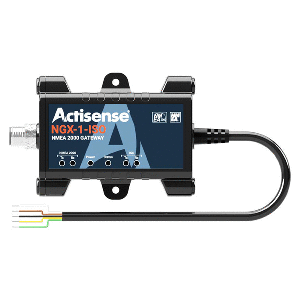
Actisense 0183 to N2K Gateway w/PC Interface, ISO Connection
$287.55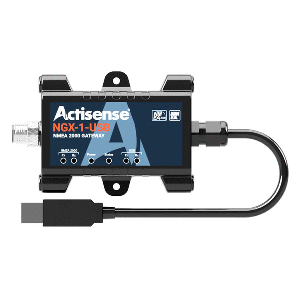
Actisense 0183 to N2K Gateway w/PC Interface, USB Connection
$307.17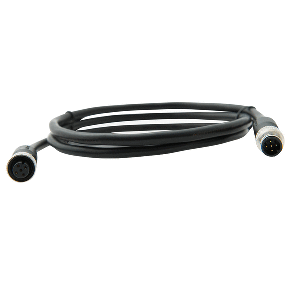
Actisense A2K-TDC-0M25 NMEA2000 Micro Cable Assembly - 0.25M
$28.00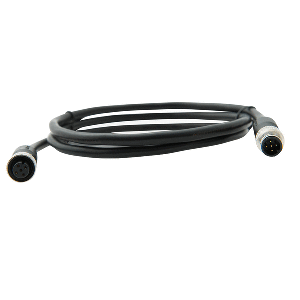
Actisense A2K-TDC-0M5 NMEA2000 Micro Cable Assembly - 0.5M
$30.00Returns & warranty
Returns are accepted within 30 dayson items that are unused and in their original packaging. Some items may be subject to a manufacturer restocking fee. Special-order items may not be eligible — if you're unsure, ask us before ordering.
Actisense productscarry the manufacturer's standard warranty. For a warranty claim or a return authorization, see our full returns policy or contact us.
Marine Navigation & Instruments — frequently asked
- What’s the difference between a chartplotter and a fishfinder?
- A chartplotter shows your GPS position on electronic charts for navigation. A fishfinder uses sonar to show what’s below the boat — depth, bottom structure, and fish. Many modern units combine both, and networked systems can share data across displays.
- Do I really need a VHF radio?
- For safety, yes. A VHF radio is the primary way to reach other vessels and the Coast Guard, and a DSC-equipped VHF connected to GPS can transmit your position in an emergency. It’s more reliable than a cell phone offshore and is the recognized standard for marine distress calls.
- What is NMEA 2000 and do I need it?
- NMEA 2000 is a standard network that lets marine electronics — chartplotter, sonar, autopilot, sensors, engine data — share information over a single backbone. It’s not required for a simple setup, but it makes multi-device systems far easier to expand and integrate.
Customer reviews
No reviews yet — this product.
Fast shipping
Ships from US warehouses — free over $99
The right part
Marine-grade parts matched to your boat
Real support
Questions? We know boats — call or email