Marine Navigation & Instruments
3,232 parts & accessories — free shipping over $99.
Chartplotters, fishfinders, GPS, radar, VHF radios, compasses, and instrument displays — the electronics that help you find your way, watch the water, and stay in contact.
Filter & sort all 3,232 →
13293Furuno 525T-PWD Plastic TM Transducer w/Temp, 600W (10-Pin)
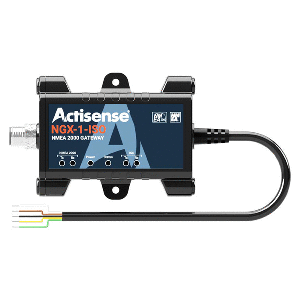
Actisense 0183 to N2K Gateway w/PC Interface, ISO Connection
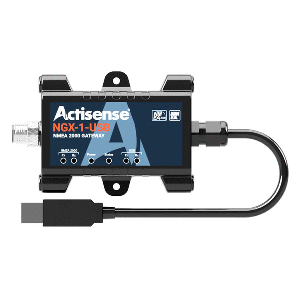
Actisense 0183 to N2K Gateway w/PC Interface, USB Connection
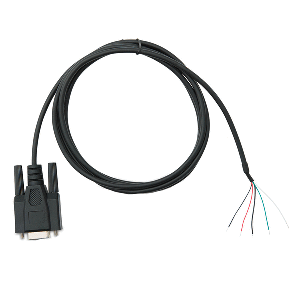
Actisense 9-Pin, D-Type Molded Cable Assembly - Female
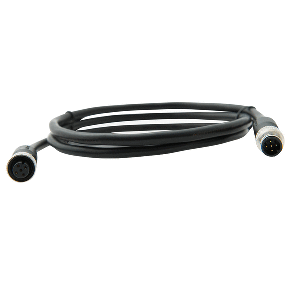
Actisense A2K-TDC-0M25 NMEA2000 Micro Cable Assembly - 0.25M
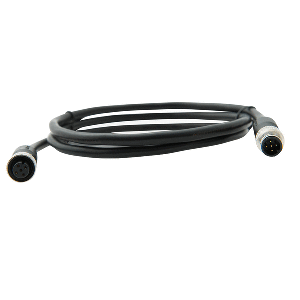
Actisense A2K-TDC-0M5 NMEA2000 Micro Cable Assembly - 0.5M
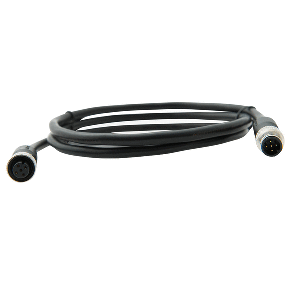
Actisense A2K-TDC-10M NMEA2000 Micro Cable Assembly - 10M
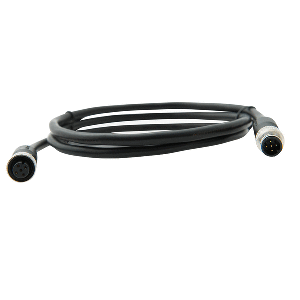
Actisense A2K-TDC-1M NMEA2000 Micro Cable Assembly - 1M
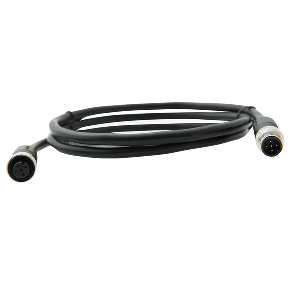
Actisense A2K-TDC-2M NMEA2000 Micro Cable Assembly - 2M
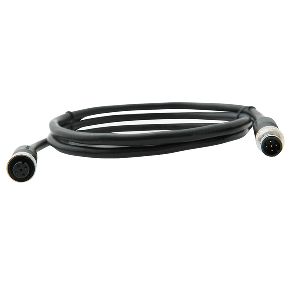
Actisense A2K-TDC-5M NMEA2000 Micro Cable Assembly - 5M
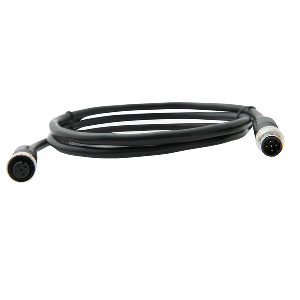
Actisense A2K-TDC-6M NMEA2000 Micro Cable Assembly - 6M
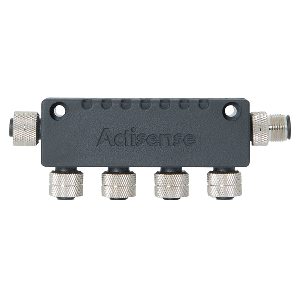
Actisense N2K Micro 4 Way T-Piece

Actisense N2K Micro Gender Changer - Female to Female - .25M
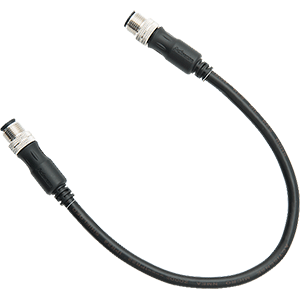
Actisense N2K Micro Gender Changer - Male to Male - .25M
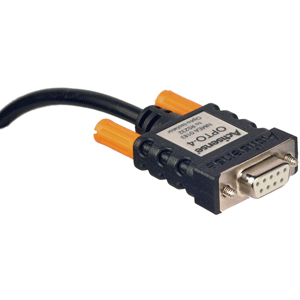
Actisense NMEA 0183 PC OPTO-Isolator Cable, RS232 DB9 Female, Shielded (Isolated to PC)
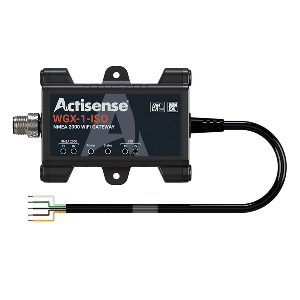
Actisense NMEA 0183 to NMEA2000 Gateway w/WiFi & PC Interface - ISO Connection
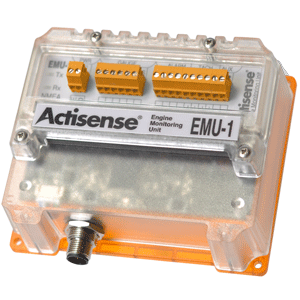
Actisense NMEA 2000 Engine Monitoring Unit - Analog to NMEA2000 Engine Gateway
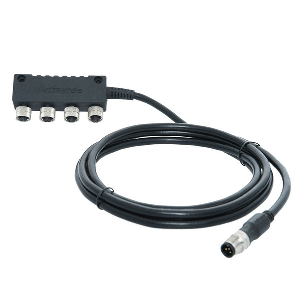
Actisense NMEA2000 Micro 4-Way Drop
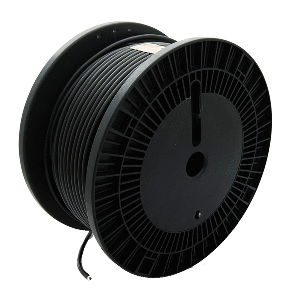
Actisense NMEA2000 Micro Bulk Cable Reel - 100M
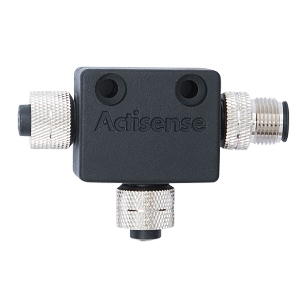
Actisense NMEA2000 Micro T Connector
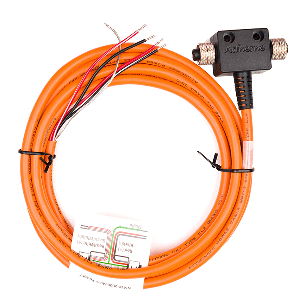
Actisense NMEA2000 Micro T-Piece w/Female Connectors & 3M UL Certified Cable
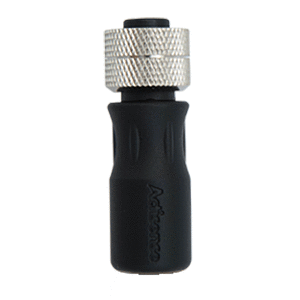
Actisense NMEA2000 Micro Terminator - Female
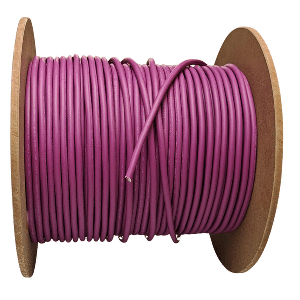
Actisense NMEA2000 Mid Bulk Cable Reel - 100M
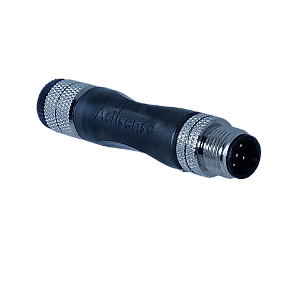
Actisense NMEA2000 Smart Universal Micro Terminator
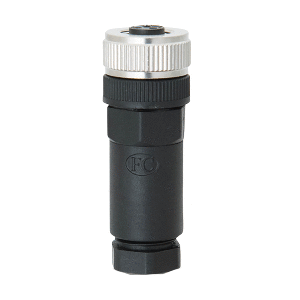
Actisense NMEA2000 Straight Micro Field Fit Connector - Female
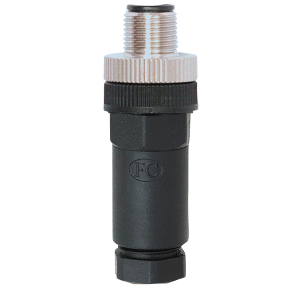
Actisense NMEA2000 Straight Micro Field Fit Connector - Male
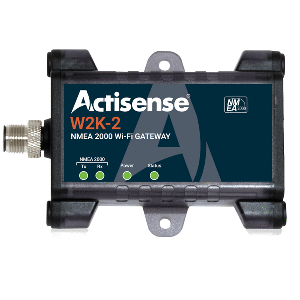
Actisense NMEA2000 to WiFi Gateway
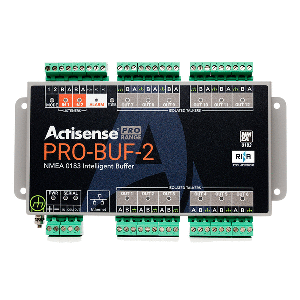
Actisense PRO NMEA 0183 Buffer - 2 OPTO Inputs, 12 ISO-Drive Outputs, Serial Port, Ethernet Port, Pluggable Screw Terminal
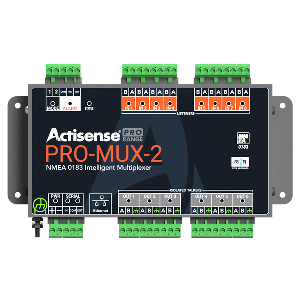
Actisense PRO NMEA 0183 Multiplexer
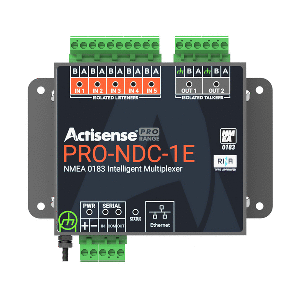
Actisense PRO NMEA 0183 Multiplexer - 5 Inputs & 2 ISO-Drive Outputs, Ethernet & Serial Connections
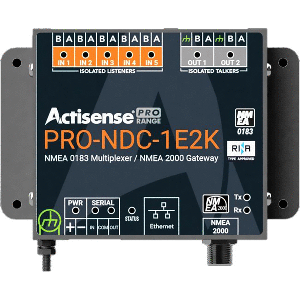
Actisense PRO NMEA 0183 Multiplexer/NMEA 2000 Gateway
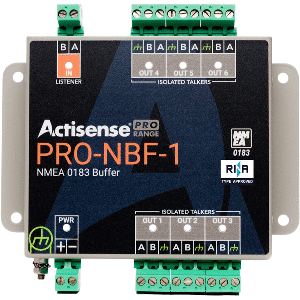
Actisense PRO NMEA Buffer - 1 OPTO Input, 6 ISO-Drive Outputs, Serial Port, Pluggable Screw Terminals
Actisense Protective Screw Cover f/N2K Connectors - 10-Pack
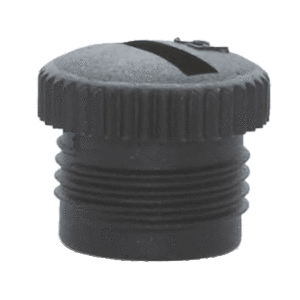
Actisense Protective Screw Cover f/NMEA2000 Male Micro Connectors - 10-Pack
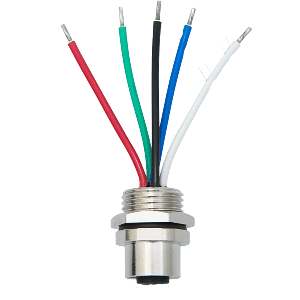
Actisense Rear Panel Mount NMEA2000 Wired Micro 5-Pin - Female
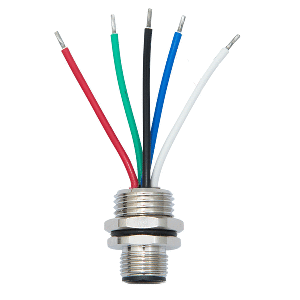
Actisense Rear Panel Mount NMEA2000 Wired Micro 5-Pin - Male
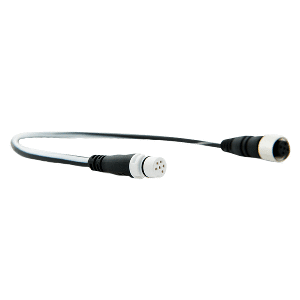
Actisense SeaTalkNG to NMEA2000 Adapter Cable
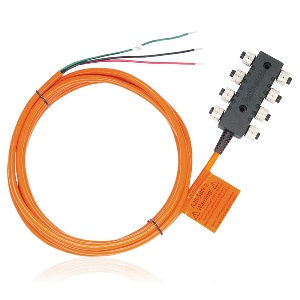
Actisense Self-Contained Boat Network - Complete Network f/8 Devices w/Internal Terminators & Power Feed
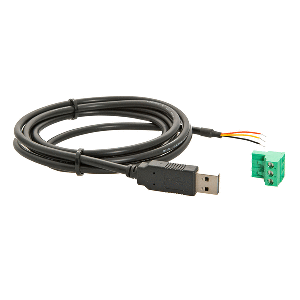
Actisense USB to Serial Adapter f/PRO Range & EMU-1 Products
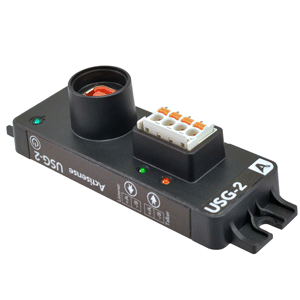
Actisense USG-2 Isolated USB To Serial Gateway For Use w/NMEA0183, RS422 and RS232

Airmar 117WR-2 Transducer Hull Nut Wrench

Airmar 117WR-3 Double Handle Transducer Wrench

Airmar 117WR-4 Transducer Housing Wrench

Airmar 164WR-1 Crows Foot Transducer Wrench

Airmar 164WR-2 Transducer Hull Nut Wrench

Airmar 164WR-3 Double Handle Transducer Wrench

Airmar 175WR-4 Transducer Housing Wrench

Airmar 599 Low/High Frequency - In-Hull Chirp Transducer w/o Connector
How to choose marine navigation & instruments
Start with how and where you boat. A day boater on familiar water may only need a GPS/chartplotter and a VHF radio, while offshore or fishing use benefits from radar, AIS, and a capable sonar/fishfinder. Screen size and resolution matter for readability in sunlight and at a glance, and networked systems (NMEA 2000) let a chartplotter, sonar, autopilot, and instruments share data instead of running as islands.
A VHF radio is the single most important safety electronic on most boats — it’s your line to other vessels and the Coast Guard, and a DSC-equipped VHF tied to your GPS can send your position in a distress call at the push of a button. Register your MMSI and keep the radio and antenna in good order.
Don’t overlook the basics: a quality marine compass is a fail-safe when electronics go dark, and correct transducer choice and mounting make or break a fishfinder. If you’re building a system, plan the network and power first, then add displays and sensors that speak the same language.
Frequently asked questions
- What’s the difference between a chartplotter and a fishfinder?
- A chartplotter shows your GPS position on electronic charts for navigation. A fishfinder uses sonar to show what’s below the boat — depth, bottom structure, and fish. Many modern units combine both, and networked systems can share data across displays.
- Do I really need a VHF radio?
- For safety, yes. A VHF radio is the primary way to reach other vessels and the Coast Guard, and a DSC-equipped VHF connected to GPS can transmit your position in an emergency. It’s more reliable than a cell phone offshore and is the recognized standard for marine distress calls.
- What is NMEA 2000 and do I need it?
- NMEA 2000 is a standard network that lets marine electronics — chartplotter, sonar, autopilot, sensors, engine data — share information over a single backbone. It’s not required for a simple setup, but it makes multi-device systems far easier to expand and integrate.